The Ceramic Correction Protocol

Stop Wasting Your Sunday Mornings
Scrubbing a Car That Looks Dirty Again by Tuesday.

If your paint feels rough, looks dull, or collects water spots within 48 hours of a wash, the problem isn’t your effort. The problem is that your wax failed weeks ago.

500+

Vehicles Corrected

7 Year

Maximum Warranty

Zero

Wax Products Used

You know the feeling.

You spend hours detailing your car. You buy the premium soap. You sweat in the Florida heat. You stand back and admire the shine.

But 48 hours later—after one afternoon shower or a drive down the highway—it’s gone.

The gloss is replaced by a film of dust. The water beads have turned into etched spots. You feel frustrated because you are doing everything right, but the results disappear before you can even enjoy them.
Internally, you start to wonder if the effort is even worth it. You feel like you’re throwing money at a problem that resets every time you drive down the highway.
Here Is The Hard Truth

"Waxing" is dead technology that cannot survive in the Florida climate.

We need to fix your definition of protection. If you are relying on a 1950's technology like wax, you aren't protecting your paint—you are just temporarily greasing it.

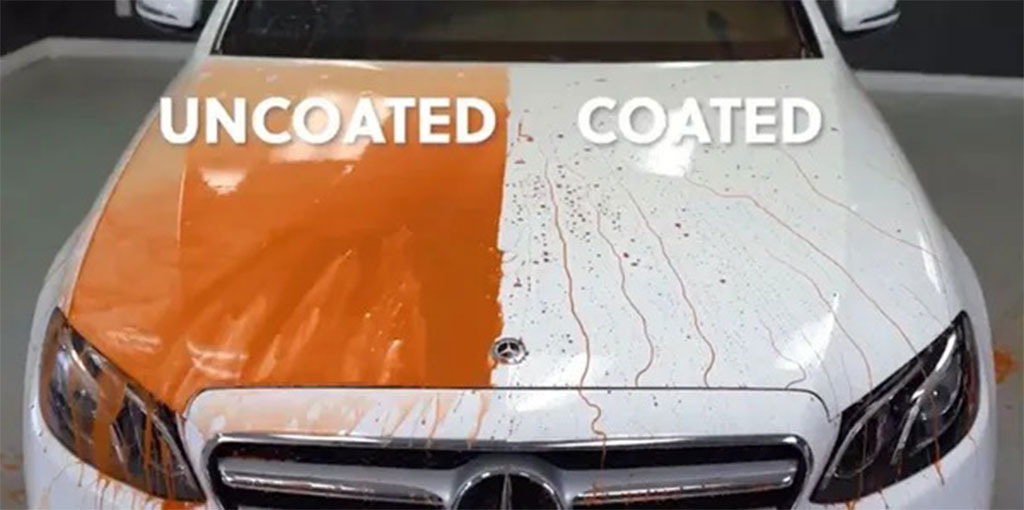
Wax sits on top of your clear coat & evaporates exactly when you need it most—in the heat of the day. Once it's gone, your paint becomes "sticky." It grabs dirt. It holds water. It allows bird droppings to burn directly into the clear coat.

You don't need to wash more. You need to change the surface tension of your vehicle.

The Pattern We See

We have seen this exact situation walk through our doors every single day.

A client pulls in. They take care of their vehicle. They pay for the "premium" wash. They park carefully. But when we put the paint under our inspection lights, the truth is obvious.

We see wax evaporate.

We have watched traditional Carnauba waxes break down in less than three weeks in this climate. It doesn't protect the paint; it just sits on top until the sun melts it away.

We see dirt stick.

On an uncoated car, the surface is porous on a microscopic level. Dirt doesn't just sit on the car; it locks into the paint. That is why you have to scrub so hard to get it clean.

We see sealants fail.

We have seen dozens of clients pay $1,000+ for a rushed "dealer special", only to bring the car back to us 6 months later with paint that doesn't bead water and a finish covered in swirl marks.

Real protection isn’t about adding shine. It’s about changing the surface.

The Protocol

We have the protocol to fix it.

We don't use the word "protocol" lightly. When we apply this process, we aren't just making the car shiny. We are curing a glass-like barrier over your paint that physically repels contaminants.

Step 1: Pore Cleansing

"Micro-Surgical Decontamination"

What happens at the microscopic level determines whether your coating will bond—or fail.

Before: The Contaminated Surface

The "Spongy Landscape"

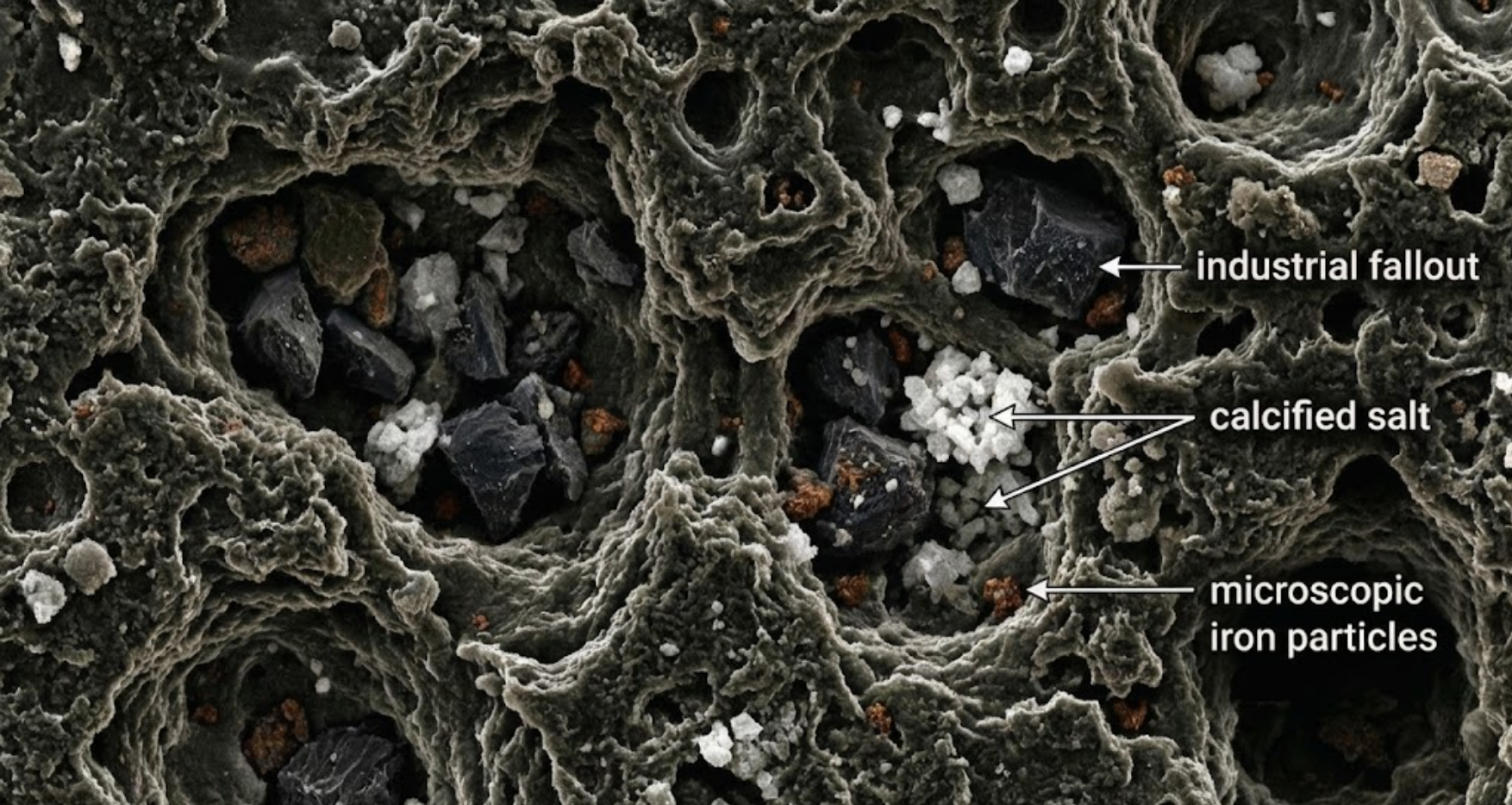
Imagine your car's paint not as a solid sheet, but as a vast, microscopic sponge. To the naked eye, it looks smooth. But under a lens, it is a jagged landscape of valleys and deep craters.

Right now, those pores are clogged. They are packed with calcified salt, industrial fallout, and microscopic iron particles that act like tiny anchors for dirt.

High-magnification view:
Pores clogged with contaminants
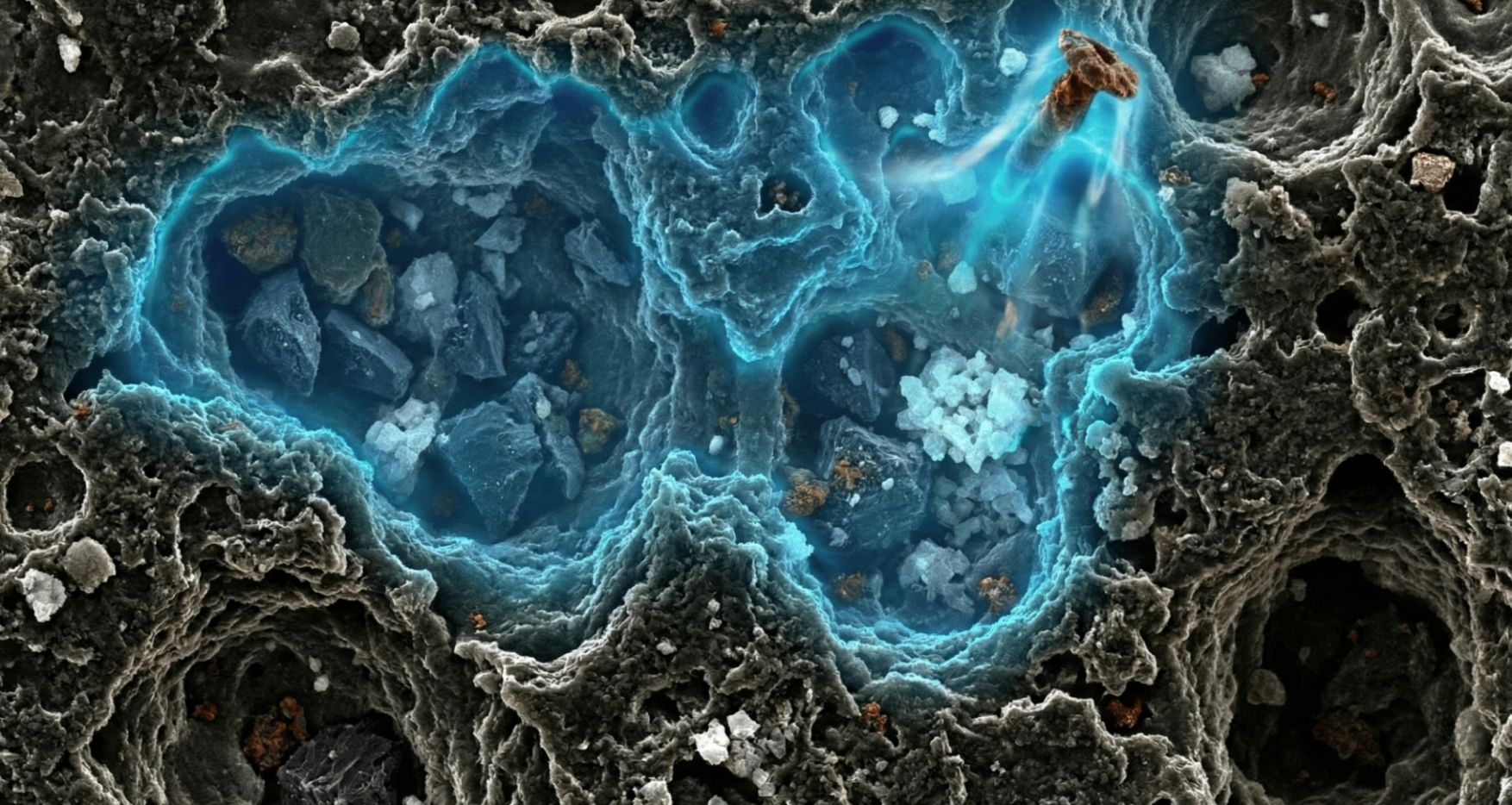
The extraction process:
Chemical agent dissolving contaminants
During: The Pore Extraction

We Don't "Wash." We Extract.

We use chemical decontaminants that emulsify these "anchors," pulling them out of the paint's substrate. The blue agent you see is actively penetrating deep into the paint's pores.

It dissolves and lifts the embedded contaminants—like an iron anchor being pulled from the surface. This is not a wash. This is a Pore Extraction.

After: Ready for Bonding

The Surface Is Now Cleared.

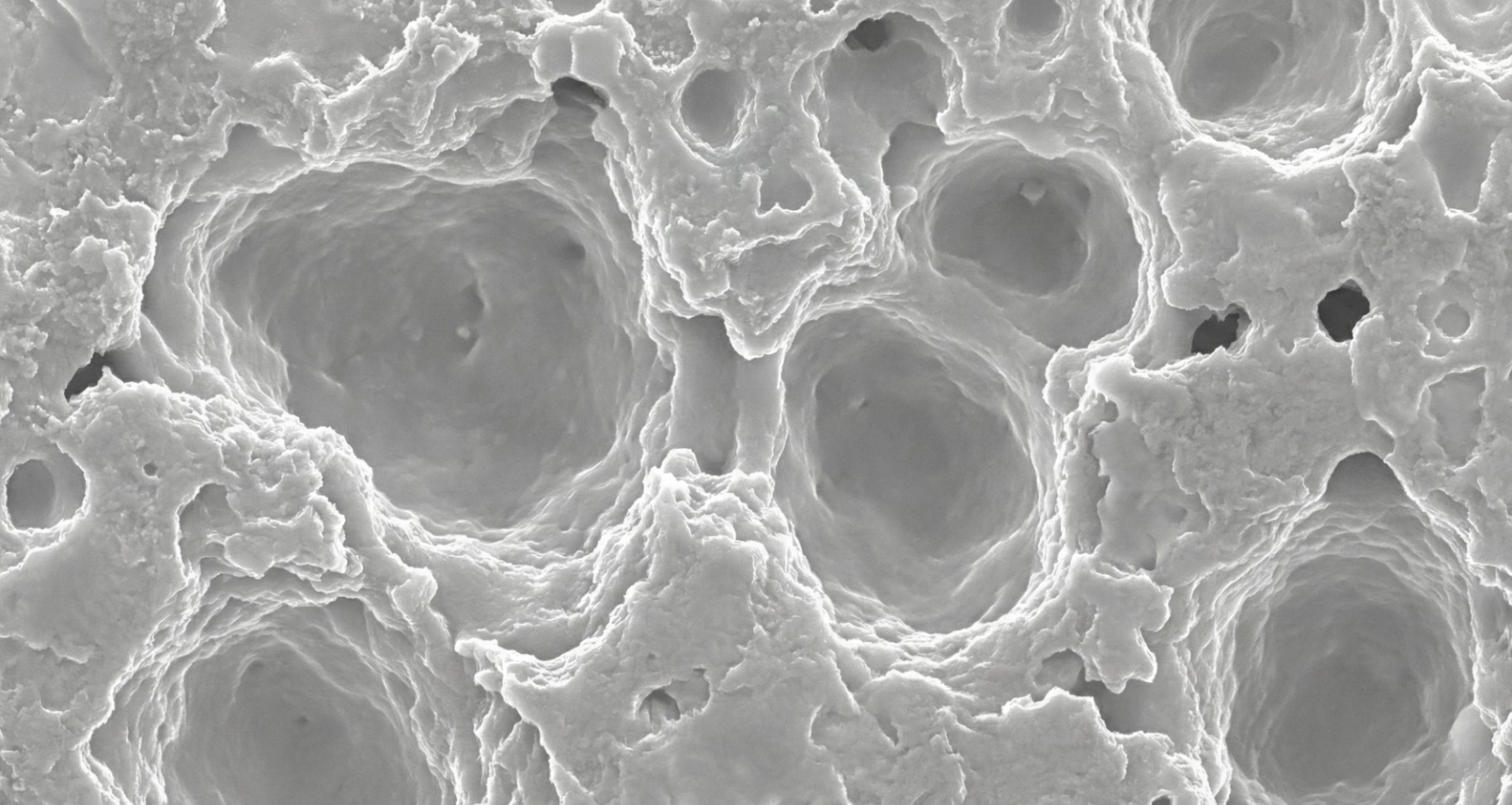
After decontamination, the "skin" of your vehicle is now clear. The microscopic pores and craters are clean and empty—no longer filled with contaminants that would prevent adhesion.

This provides a perfect, pristine surface that is ready to form a permanent, protective bond with the ceramic coating. Without this step, coating simply sits on top of contamination.

After extraction:
Clean pores ready for ceramic bonding

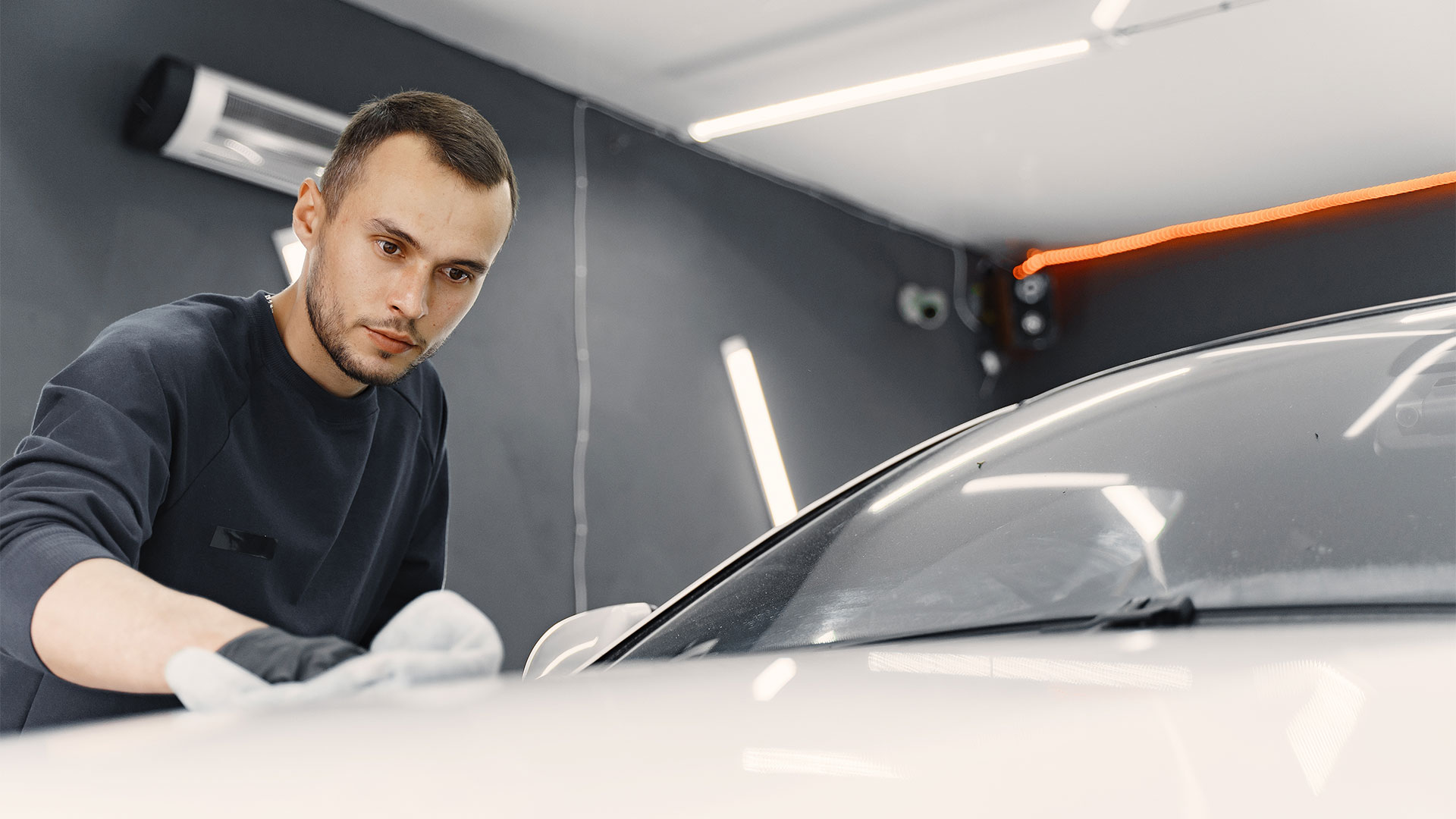
Our technicians perform precise decontamination to prepare every surface for bonding
“We are clearing the skin of your vehicle so it can finally accept a permanent bond.”

Step 2: Surgical Correction

The "Refraction Repair"

We don't polish for appearance. We re-engineer how light interacts with your paint.

Before: Light Scattering

Thousands of Tiny, Jagged Canyons

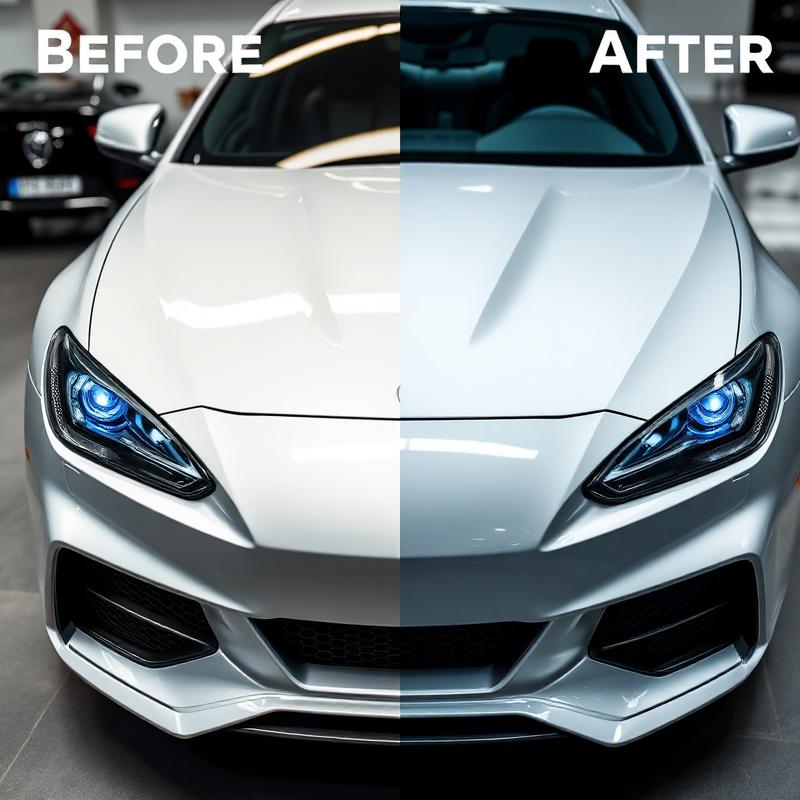
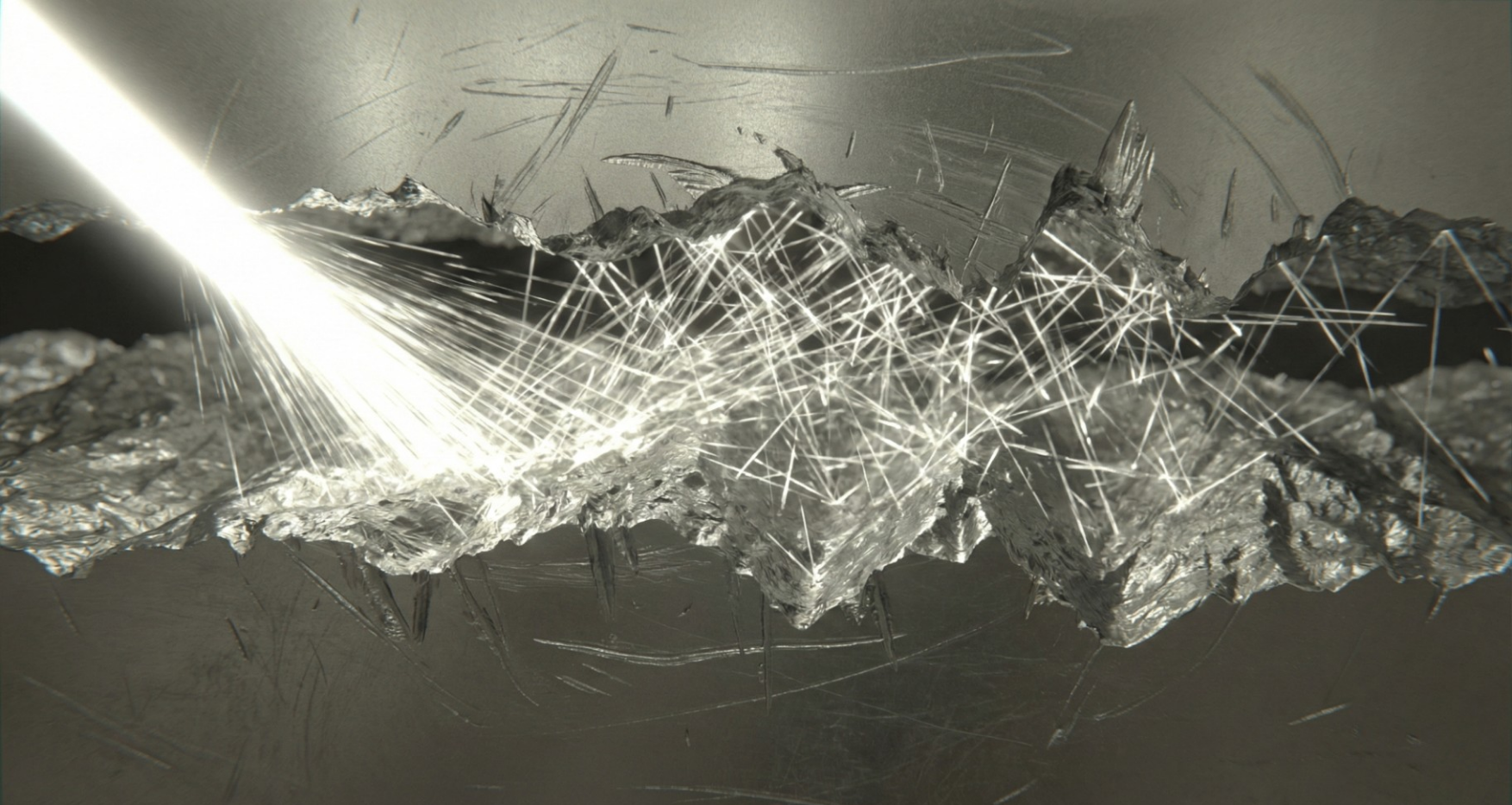
Those "swirl marks" you see in the sun? Think of them as thousands of tiny, jagged canyons. When light hits your car, it doesn't reflect back to your eyes—it "scatters" inside those canyons.

This is why your car looks "dull" even when it's clean. The light is being trapped and dispersed instead of returning to your eye as a clean reflection.

Damaged surface: Light rays trapped and scattered in micro-canyons
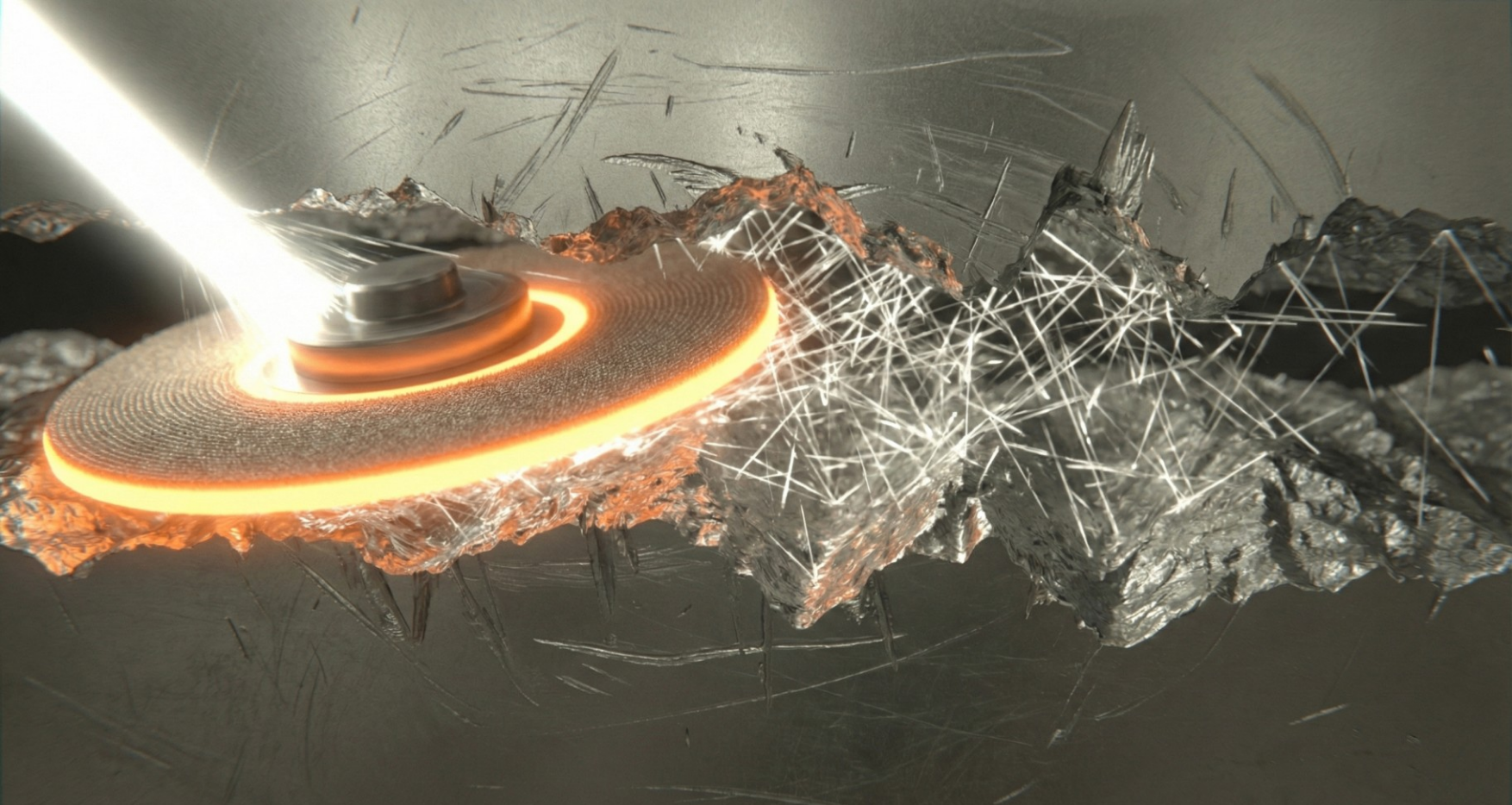
Microscopic leveling: Precision abrasives removing imperfections
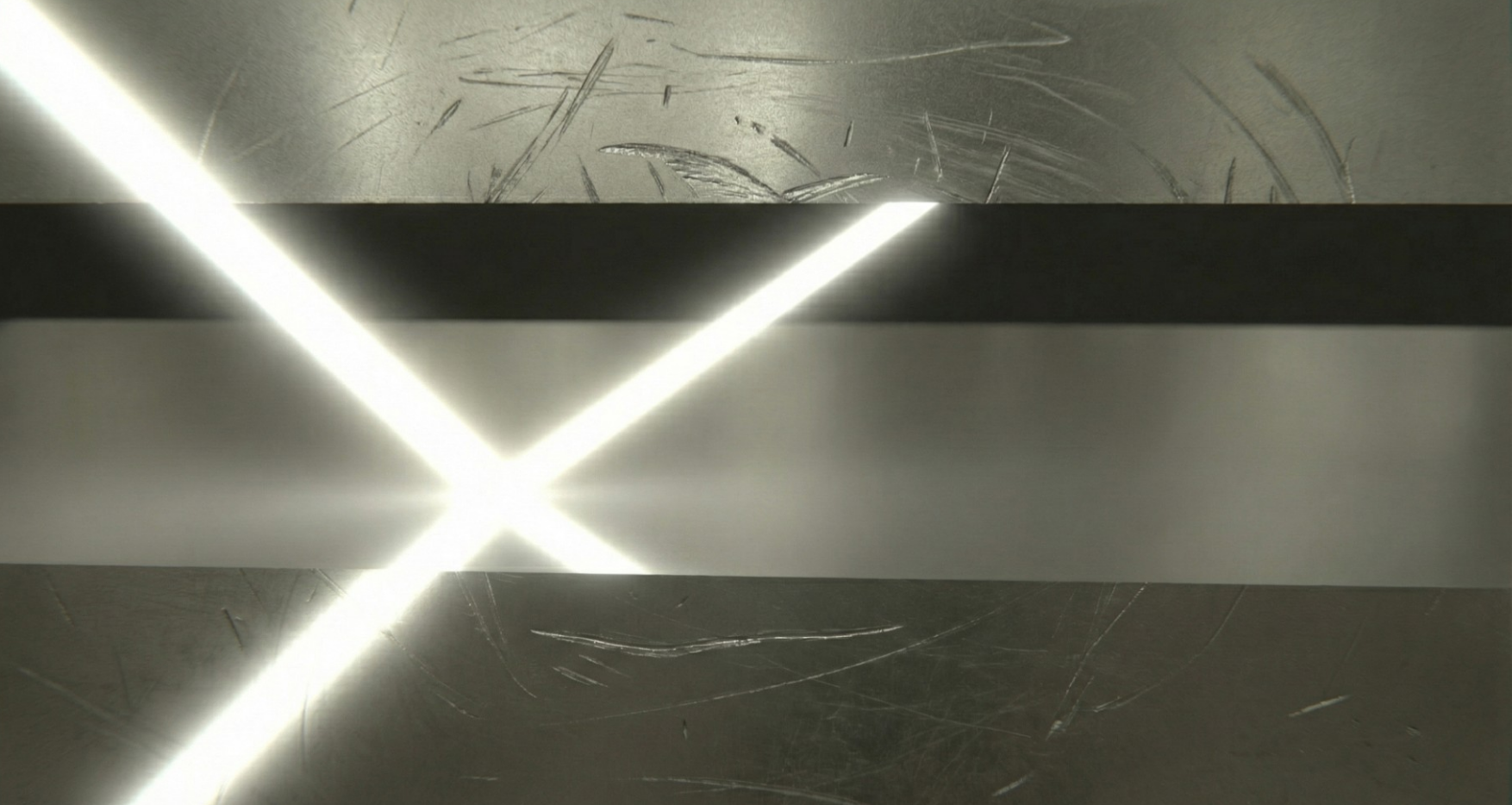
During: Microscopic Leveling

Shaving Away the Peaks

Surgical Correction is the process of microscopic leveling. We use precision abrasives to shave away the "peaks" of those canyons, bringing the entire surface down to a single, uniform micron level.

The scattered light is being organized as the surface is leveled. We aren't just polishing—we are re-engineering the way light interacts with the surface.

After: Laser-Flat Finish

Light No Longer Scatters—It Bounces.

The final result is a perfectly smooth surface. The light now reflects off it in a single, intense beam—a true "laser-flat finish."

When we're done, light doesn't scatter. It bounces back with the intensity of a laser. This is the difference between "clean" and "corrected."

Corrected surface: Light reflects as a single, intense beam

Our technicians use precision techniques to achieve a flawless, laser-flat finish
“We aren’t just polishing; we are re-engineering the way light interacts with the surface.”

Step 3

Molecular Bonding

The "Crystalline Grid"

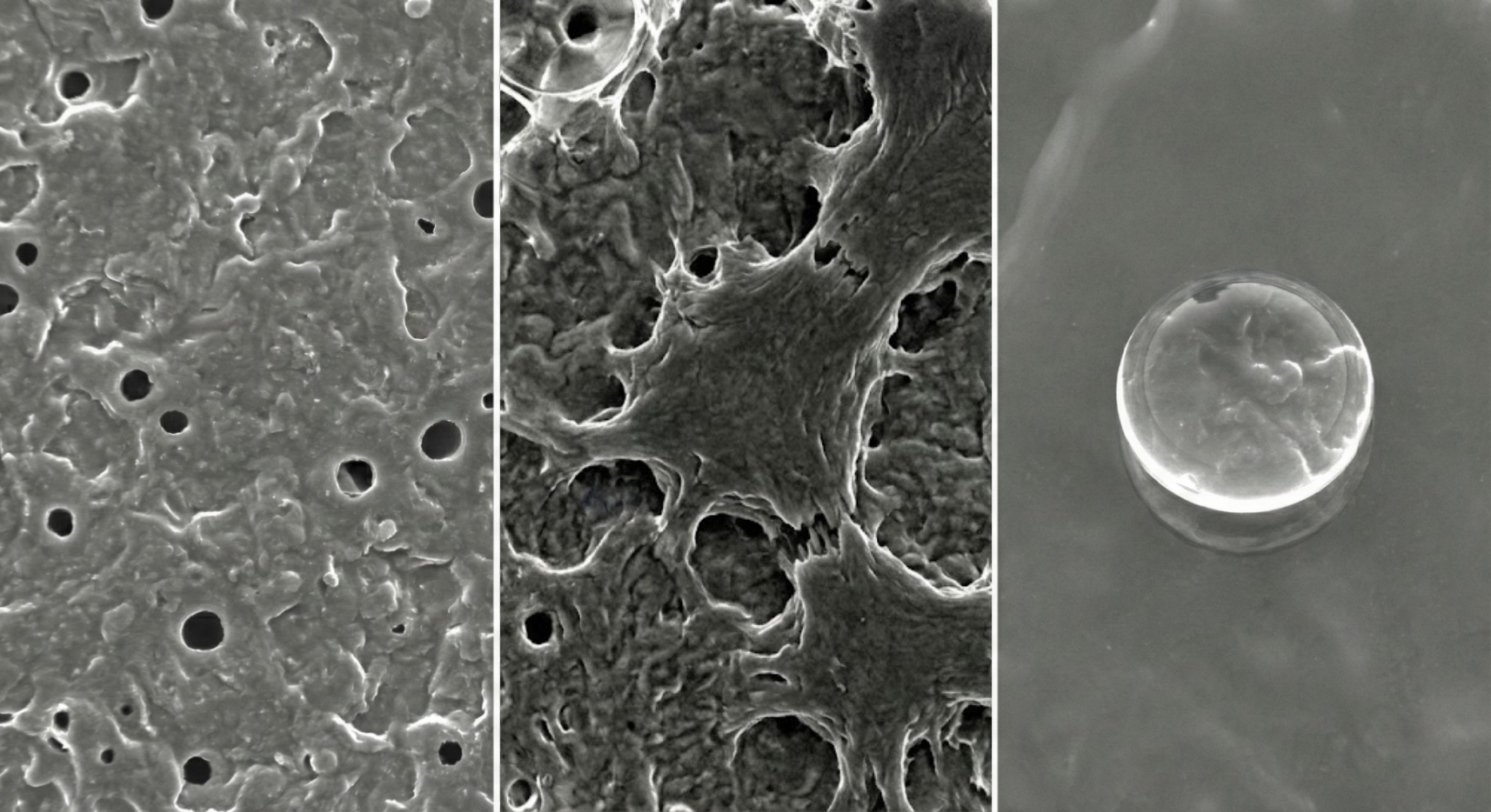
“Traditional wax is like a layer of grease sitting on a hot sidewalk; it’s organic, it’s soft, and it eventually melts. Molecular Bonding is different. We are introducing a liquid silica-quartz (SiO₂) that identifies the now-empty pores of your paint and ‘fuses’ with them.”

3.1

The Porous Surface

This is a microscopic view of untreated car paint, showing its rough texture and numerous pores—now clean and ready after our decontamination process.

3.2

The Liquid Glass Matrix

As the liquid SiO₂ coating is applied, it flows into the pores, creating a smooth, transparent layer that fuses with the rough surface beneath.

3.3

The Hermetic Barrier

The surface is now perfectly smooth and glossy. A water bead sits on top of this hermetic barrier, unable to penetrate the slick, protected surface.

The "Crystalline Grid"

"Imagine a microscopic web of glass being woven into the very fabric of your clear coat. As it cures, it forms a Crystalline Grid... This is the 'Atmospheric Seal.' It creates a hermetic barrier that is so slick that water molecules can't even find a handhold—they are forced to bead and roll off, taking the environment with them."

It does not melt.

It does not wash off.

It is harder than your factory paint.

This is not a "detail." It is permanent vehicle preservation.

Traditional Wax (2-3 Months)
• Organic material that destabilizes in heat
• Sits on top of paint (not bonded)
• Requires constant reapplication
• Minimal protection against UV and contaminants
• 1950s technology
Ceramic Coating (5-7+ Years)
• Inorganic silica-quartz shell
• Chemically fuses to clear coat
• Install once, protected for years
• Hydrophobic (110° contact angle)
• Harder than factory paint

The result is immediate emotional relief:

  • You stop feeling anxious about parking in the sun, because the coating reflects UV damage.
  • You stop feeling "burnt out" from constant washing. Dirt literally falls off the surface with a simple rinse.
  • You finally feel the pride of driving a 5-year-old vehicle that looks newer than the cars rolling off the dealership lot today.

The Standard in Action

Recent Restorations

Every vehicle leaves with paint-depth verified clarity and a finish that doesn't fade.

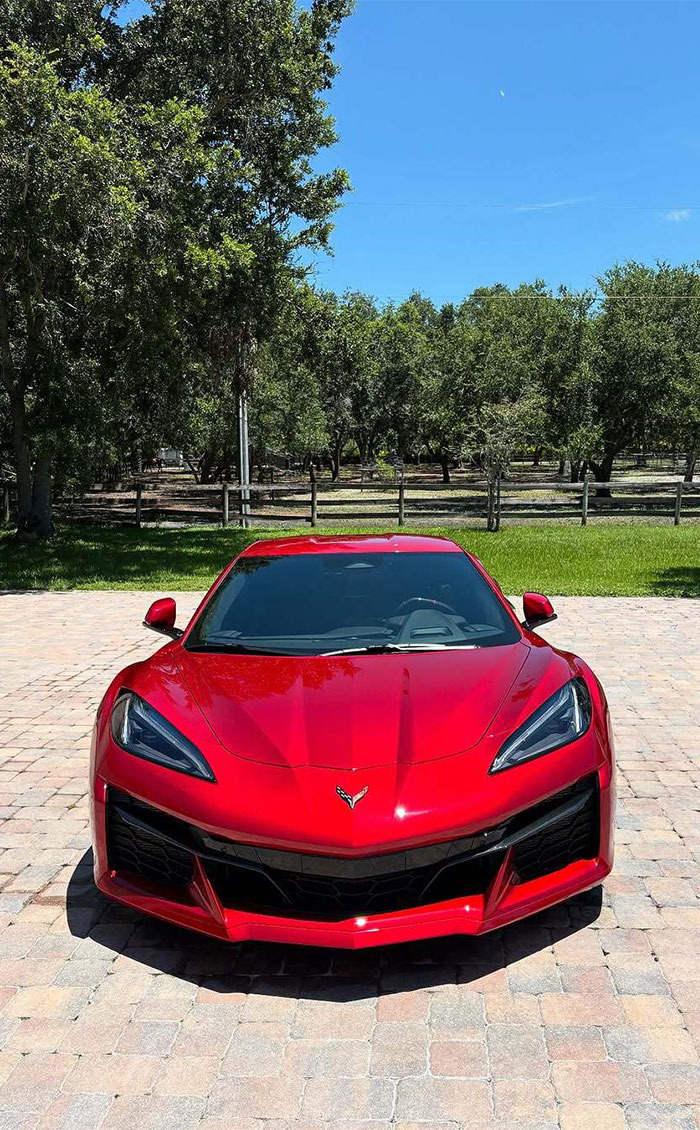
C8 Z06 Corvette

Full Paint Correction + Ceramic Coating

Bentley Bentayga

Paint Depth Restoration + 5-Year Coating
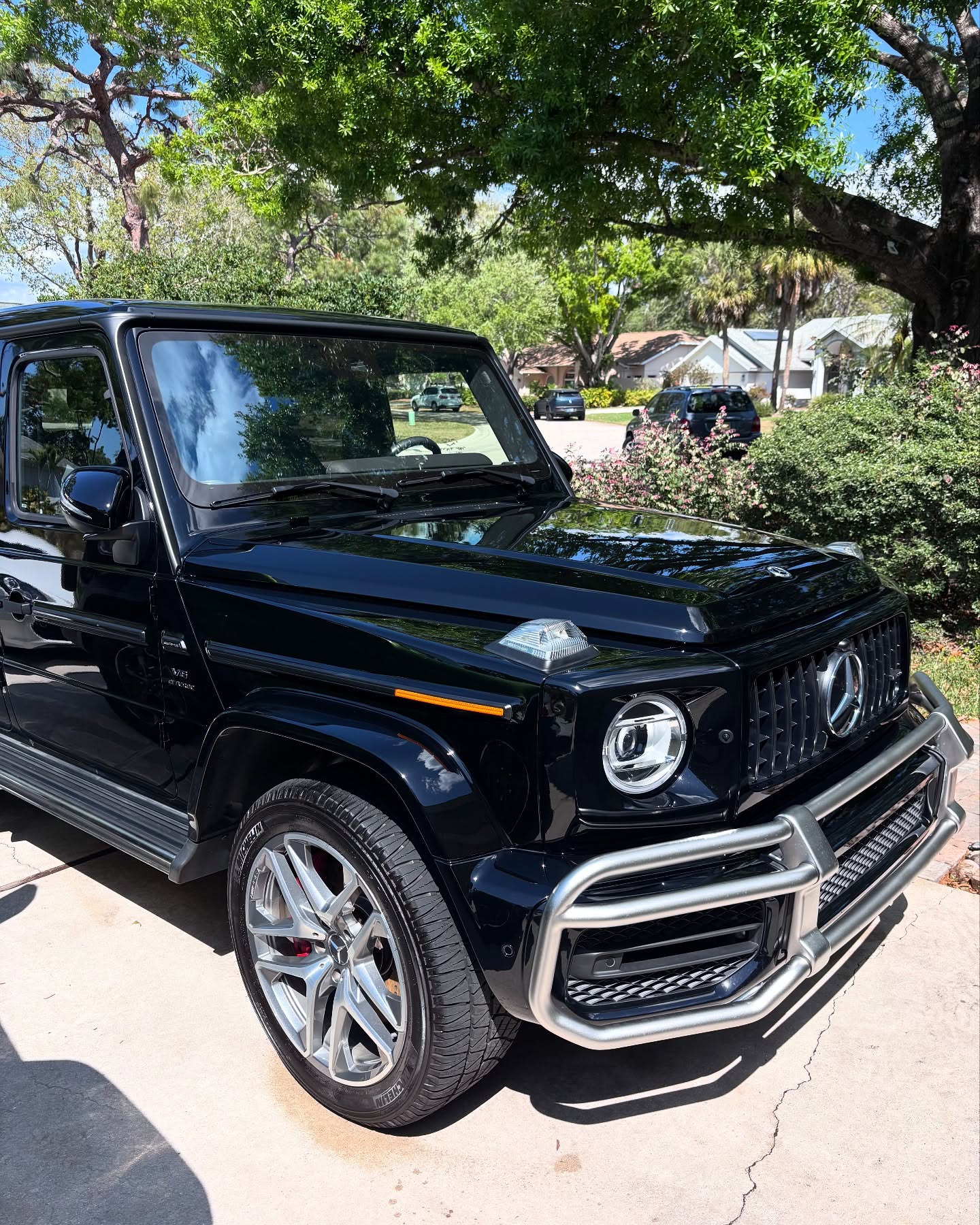
Mercedes G-Wagon

Zero-Defect Protocol + Glass Coating

300+ vehicles restored to showroom condition across South Florida

The Standard We Install

The Era of Wax is Over.

We don't debate whether traditional wax works in the Florida climate. We know it doesn't. We don't guess why paint fades or clear coats peel. We have seen the chemical breakdown happen on hundreds of vehicles that relied on outdated protection.

The packages below aren't options. They are the standard we have set.

Level 1

The Daily Driver Reset

Starting at $900

The Diagnosis

Your clear coat is clogged and naked.

The Resolution

We strip the old wax, chemically decontaminate the pores, and install a 3-Year Ceramic Shell.

The Result

You stop scrubbing. The dirt falls off with a rinse.

Level 2

The Permanent Gloss Protocol

Starting at $1,200

The Diagnosis

Your paint has "swirl marks" that scatter light, making the car look dull even when clean.

The Resolution

We machine-correct the paint to remove the defects, then lock it under a 5-Year Industrial Coating.

The Result

Your truck looks wet, deep, and glass-like, even after it rains.

Most Chosen

Level 3

The "Zero-Defect" Standard

Starting at $1,800

The Diagnosis

You want the vehicle to look better than the day it left the factory, permanently.

The Resolution

Multi-stage correction to perfect the surface + Double-Layered Titanium-Grade Ceramic.

The Result

Absolute optical clarity that lasts for 7+ years.

9 out of 10 serious owners choose this level.

If you are still looking for a cheaper wax or a quick wash, you are operating from the belief that car care requires constant effort. You are trying to manage a problem we have already fixed.

We aren't here to convince you to upgrade. We are here to apply the solution for those who are done with the struggle.

Results

The Work Speaks.

500+ happy customers. Not because we asked—because the results were undeniable.

"My truck looks brand new. They didn't just clean it—they explained exactly what they were doing and why. The difference under sunlight is unreal."

— Sarah C.

"Very professional. No upselling, no pressure. They measured my paint, showed me where the damage was, and fixed it. Fairly priced for the level of work."

— Ginger K.

"I've had my car 'detailed' before but never like this. The swirl marks I thought were permanent are gone. These guys know what they're doing."

— Madison K.

Verified Google Reviews

Before You Call

What You Should Understand First.

Why does my paint look hazy even after I wax it?

Because wax fills the micro-scratches with oil—it doesn't remove them. When the oil evaporates or washes away, the haze returns. The only permanent solution is to physically level the clear coat through paint correction, then seal it with an inorganic coating.

My car is new. Why would I need ceramic coating?

Factory paint has no sacrificial layer. The clear coat begins degrading the moment the vehicle leaves the lot. In Florida, UV exposure accelerates this significantly. Coating within the first 6 months is the most cost-effective protection you can buy—before you have defects to correct.

What's the difference between your coating and a $99 spray coating?

Spray coatings are silicone-based topical treatments. They sit on the surface and wash off within weeks. Professional ceramic coating is a silica-quartz compound that chemically bonds to your clear coat. It does not sit on top—it becomes part of the surface. That's why it lasts 5-7 years, not 5-7 weeks.

How do I know if my clear coat can be corrected?

We measure it. Before any work begins, we gauge the thickness of your clear coat with a paint depth meter. If there's enough material to safely correct, we proceed. If the clear coat is too thin or failing, we'll tell you—and explain your options honestly.

Why do your packages start at $900 when others charge $300?

Because $300 coatings are applied over damaged paint without correction. You're sealing in the scratches. Our process includes full decontamination, measured paint correction, and then coating application. The coating is permanent—the prep work determines whether it actually looks correct.

How long does the process take?

Paint correction and ceramic coating is a 2-3 day process. We are volume-limited for a reason—we do not rush. If you need faster service, we are not the right shop.

Next Step

Request a Paint Depth Analysis.

We will measure your clear coat thickness and prescribe the correct level of correction. No guessing. No pressure. Just an honest assessment of what your vehicle requires.

If it doesn’t need correction, we’ll tell you. If it does, you’ll understand exactly why—and what the process involves.